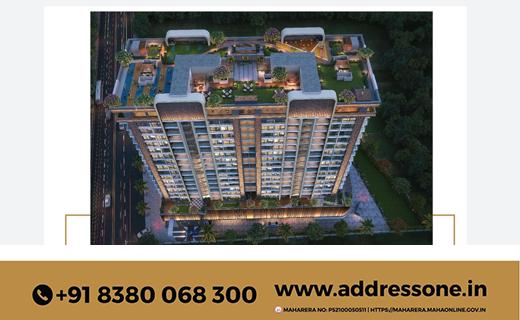
Choosing a home is not only about the number of bedrooms or the view from the balcony. For many buyers, the question begins with high-rise vs low-rise apartments. Both formats come with their own strengths, drawbacks and lifestyle differences. Understanding them clearly can help you make a confident long-term decision.
What are high-rise apartments and low-rise apartments
High-rise apartments usually have ten floors or more. These towers are common in dense city pockets where land is limited. Builders often include clubhouses, parking levels and elevated amenities to support the number of residents. Low-rise apartments carry one to four floors. They are found in quieter neighbourhoods and offer a simpler structure. Many buyers choose them for accessibility and privacy.Advantages of high-rise apartments
One of the biggest benefits of high-rise apartments is the view. Upper floors enjoy skyline panoramas, natural light and fresh air. Dust and street-level noise are lower when you live at a height. Large residential towers often come with a long list of amenities. Gyms, swimming pools, indoor games and landscaped decks become part of your everyday routine. This convenience suits people who prefer active living without leaving the property. Security in tall towers tends to be stronger. Access control, CCTV, and reception desks are common features. Visitor movement is usually monitored, which adds peace of mind. The demand for luxury high-rise apartments continues to grow in major cities. Homes on higher floors may attract better resale value over time due to their views, privacy and modern design.Disadvantages of high-rise apartments
Living at a height comes with elevator dependency. Peak hours may have wait times. For families with infants or seniors, this can be tiring. Maintenance charges can be higher in tall buildings. Lifts, water pumps, common air circulation and clubhouse upkeep add to monthly expenses. Emergency evacuation is more complex when you live several floors above the ground. Staircases are tiring, and fire drills can be challenging for older residents. Heat can also increase on the upper floors during summer. Good insulation and ventilation help, but it is still noticeable in some cities.Advantages of low-rise apartments
Low-rise apartments offer easier access to the ground. Walking your pet, carrying groceries or moving furniture becomes simpler. For seniors and young children, this convenience matters. These buildings usually have fewer neighbours, which can mean a quieter environment. Social interactions feel more natural since residents know each other better. Maintenance tends to be lower. With limited shared infrastructure and fewer amenities, monthly charges remain manageable. Some low-rise layouts allow for bigger balconies, small gardens or open courtyards. This adds a personal touch to daily living.Disadvantages of low-rise apartments
Since these projects are smaller, they may not include as many shared facilities. Residents might need to travel outside the property for gyms or sports. Security depends heavily on guard presence and community cooperation. Fewer surveillance points can make monitoring harder near entrances. Being closer to the street can increase exposure to noise or dust, depending on the locality. Parking is sometimes limited in older low-rise properties, which can be inconvenient in busy zones.High-rise vs low-rise: Quick comparison
| Factor | High-rise apartments | Low-rise apartments |
| Location and accessibility | Common near business districts and central areas with better connectivity | Usually found in quieter residential pockets away from commercial zones |
| Privacy and noise | Upper floors reduce street noise and crowd disturbances | Fewer neighbours lead to lower foot traffic and a calmer environment |
| Ventilation and light | Better sunlight and stronger wind circulation on higher floors | Depends on building orientation and surrounding structures |
| Maintenance | Higher charges due to lifts, amenities and shared facilities | Lower upkeep with simpler infrastructure and fewer common areas |
Who should choose which format
Choose a high-rise if you want modern amenities, better skyline views and a social environment built around shared spaces. This suits young professionals, couples working in city centres and investors looking for appreciation. Choose a low-rise if you prefer calm surroundings, quick access to your home and a stronger sense of privacy. Families with children, seniors or remote workers often find this more comfortable. Your choice depends on daily habits, commute time, family needs and long-term outlook.Conclusion
Floor preference influences everyday comfort, privacy, maintenance, and movement. Both formats can work well when matched with the right lifestyle. At Ram India Group, we plan homes that balance connectivity, open spaces, and practical layouts. As a trusted real estate developer in Pune, our flagship community, Address One, brings convenient living and community features together in a growing residential hub. Buyers exploring 3 and 4 bhk flats in Bibwewadi
Pune or flats for sale in Bibwewadi can choose from options designed to support family needs and long-term comfort. Understanding your floor preference will help you select a home that feels right today and stays convenient in the future.